



Thailand Digital Nomad Visa - The Complete Guide For 2026
by Jessie Chambers a year ago
8 MIN READ
Even though the pandemic caused a huge shake-up around the world, one silver lining is how it completely changed the way we work — and where we work from. These days, more people than ever are chasing the dream of combining work and travel. Whether you're a freelancer picking up projects as they come or working a fully remote job with no fixed office, you might be thinking about swapping your desk for some island time. That's where the Thailand Digital Nomad Visa comes in.
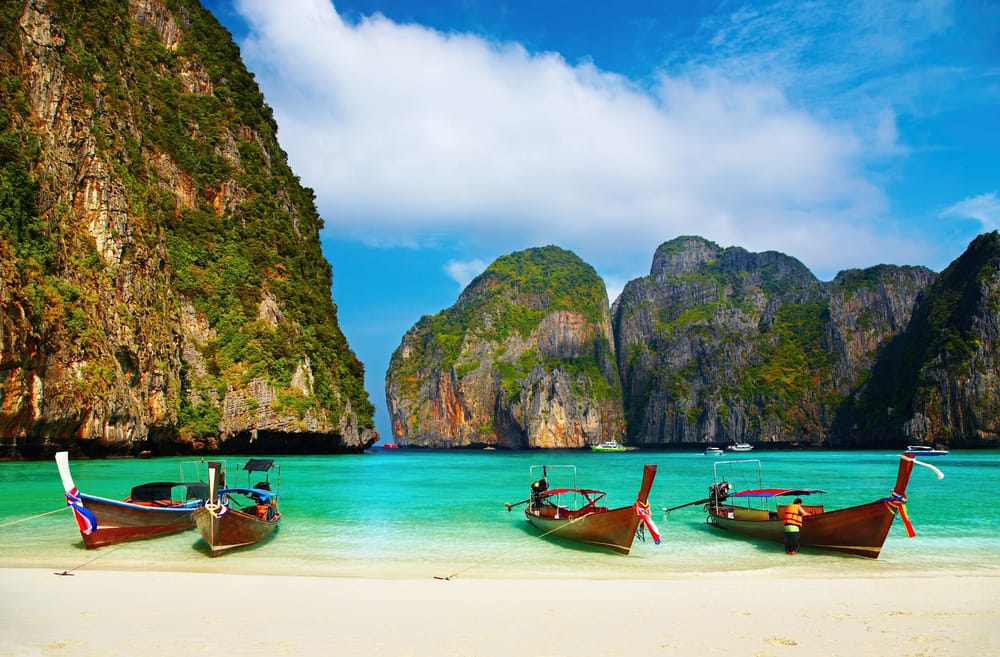
Thailand has always been a favourite travel spot — and it's easy to see why. Think epic beaches, rich culture, incredible food, and warm weather pretty much all year round. If the idea of replying to emails with your feet in the sand and a pineapple cocktail in hand sounds like a vibe, you're definitely in the right place.
One of the biggest benefits for living and working in places like Thailand is how affordable it is. If you're earning in AUD, EUR, or USD, your money goes a long way. That means you can live well without the stress — no crazy work hours, no juggling five side hustles just to cover rent.
If we haven't sold you already, here are some further reasons why you should consider a Digital Nomad Visa in Thailand:
- Welcoming Culture and Community: Thai locals are famously friendly, and there's a strong sense of simplicity and community in how people live. There's also a big expat scene, so it's easy to find your people and feel at home.
- The Food and Cuisine: If you're into food that packs a punch, you'll love it here. From street-side pad Thai to spicy green curry served in tiny roadside stalls, the flavours are bold, fresh, and unforgettable.
- Easy to Travel Around: Thailand is super well-connected and affordable when it comes to getting around. Plus, you're only a short flight from places like Vietnam, Cambodia or Indonesia — perfect for spontaneous weekend trips.
- Great Healthcare: Thailand has a solid and affordable healthcare system, which is a major plus if you're planning to stick around for a while or just want peace of mind while living overseas.
- Choose Your Own Adventure: Whether it's quiet beach towns, buzzing cities, jungle treks or market hopping — Thailand lets you shape your lifestyle around the energy and pace you love most.
Visa Pathways to Live and Work in Thailand
Not every country refers to their travel-and-work visa options as a "Digital Nomad Visa"—and Thailand is no exception. While the term itself might not be used officially, Thailand certainly offers pathways for those wanting to blend work and travel. The key lies in choosing the right visa for your intended lifestyle. From 90-day entries to five-year stays, there are flexible options to suit how you work—and travel. The best part? We've done the legwork for you so you can confidently choose the Thailand Digital Nomad Visa that fits you best.
Thailand Destination Visa (up to 5 years)
If you're dreaming of an extended stay in Thailand, the Thailand Destination Visa might be your ideal match. Offering up to five years of entry for remote professionals, it's the most comprehensive and flexible option available for freelancers, digital nomads, and location-independent workers.
While the visa allows you to stay long-term, you must exit and re-enter the country every 180 days. That said, a quick trip to a neighbouring destination can be a welcome break—especially when it's affordable, accessible, and packed with just as much cultural richness.
Note: This visa is not designed for those seeking to work directly with Thai businesses or clients. It's tailored for individuals with overseas clients and income sources.
To apply for the Thailand Destination Visa, you must provide:
- A valid passport
- 13,181 THB for the visa application fee
- Proof of a professional portfolio
- Proof of income amounting to 500,000 THB
- A recent passport-style photograph
- A clean criminal record

Long-Term Resident (LTR) Visa
If you're seeking something more permanent—or hope to work with Thai businesses directly—the Long-Term Resident Visa (LTR) is a better fit. Valid for up to 10 years, this visa opens the door to deeper connections and longer-term opportunities within Thailand. It's particularly suited to those looking to integrate more fully into Thai professional and community life.
That said, the LTR visa involves a more complex application process and stricter eligibility requirements. But for those with long-term ambitions, the investment can pay off.
To apply for the Long-Term Resident Visa, you'll need:
- A valid passport
- 50,000 THB to cover the visa fee
- A recent passport-style photograph
- Proof of income amounting to 500,000 THB
- A clean criminal record
Top Tip: Start gathering your supporting documents early—particularly financial evidence and professional records. These can take time to prepare, especially if you're dealing with cross-border income. Having everything ready before you start the application will save a lot of back-and-forth with embassies or immigration offices later on.
Digital Nomad Application Process
When applying for your Thailand Digital Nomad Visa, it's important to use the official Thai government website. This is where you'll find the most up-to-date visa options and accurate information on the current, approved application process.
If you prefer to apply in person, you can do so through your local Thai consulate. However, it's essential to contact them in advance to confirm the specific documents required, understand the correct procedures, and secure an appointment for your application.
Processing times typically range from 2 to 4 weeks, so be sure to leave ample time between submitting your application and your intended departure date. Planning ahead will help ensure a smoother, stress-free experience.

The Best Places to Live in Thailand
- Bangkok: If you're after a high-tempo lifestyle with access to a wide range of career opportunities, dining experiences, and entertainment, Bangkok is hard to beat. Known for its vibrancy and slightly wild tendencies, it captures the hearts of most who visit and leaves a lasting impression. With an abundance of co-working spaces and hubs for expats balancing work and travel, it's an ideal base for those looking to embrace a rich "work and play" lifestyle.
- Chiang Mai: If the fast pace of the capital doesn't appeal, and you're looking to immerse yourself in natural beauty and culture, Chiang Mai could be the perfect fit. Located in northern Thailand, it offers a warm, welcoming expat community and promotes a productive yet sustainable rhythm of life. Not to mention, Chiang Mai is one of the most affordable places to live in Thailand, making it an ideal spot for creating a balanced working holiday experience.
- Koh Samui: For those drawn to island living, Koh Samui delivers a dreamy escape without losing touch with essential infrastructure. With solid internet connectivity and access to medical and wellness services, it offers a blend of remote living and modern convenience. Like many regions in Thailand, it's also home to a large and supportive expat community that will help you settle in quickly.
- Phuket: Phuket is the ideal destination for those seeking elevated accessibility. From world-class shopping and restaurants to stunning beaches and vibrant nightlife, Thailand's largest island has it all. With its own international airport, Phuket is well-connected—not just within Thailand but across the region—making it easy to hop between neighbouring countries if needed.
- Koh Phangan: Best known for its iconic full moon parties, Koh Phangan offers a unique blend of energy and peace. It's a great option for those who want to be surrounded by nature but still have access to a vibrant social scene. While the infrastructure isn't as developed as other areas, it's fast becoming a hub for freelancers and remote workers, making now a great time to be part of its growing expat community.
Booking Experiences Through Global Work & Travel:
Experiencing Thailand goes beyond just choosing where to live. At Global Work & Travel, we provide expert support and curated travel experiences that make the entire process—from planning to booking—smooth, enjoyable, and stress-free. We take care of the details so you can focus on soaking up everything Thailand has to offer.
Some of our top picks:
- Thailand Island Hopper: Experience the east and west coast with an epic 14-day island hopping adventure.
- Thailand Energise: Immerse yourself in traditional Muay Thai classes, bike rides, HIIT workouts, all among peaceful temples and surrounded by lush forestry.
- Thai Intro 9 Days: Get the best intro experience with tuk-tuk trips, visits to ancient temples, cooking classes, sleeping in floating bungalows, and more!
- Teach in Thailand: Teach English and experience island life at the same time.
Frequently Asked Questions (FAQs)
What exactly is the Thailand Digital Nomad Visa? While it's not officially called a "Digital Nomad Visa," Thailand offers several visa options that suit remote workers and freelancers. The most popular is the Thailand Destination Visa, which lets you stay for up to five years (with re-entry every 180 days), provided you're working for clients outside of Thailand. It's ideal if you want to swap your home office for a hammock and palm trees.
What's the difference between the Destination Visa and the Long-Term Resident Visa? The Destination Visa is perfect for digital nomads who work remotely for overseas clients and want flexibility while living in Thailand. The Long-Term Resident Visa (LTR), on the other hand, is designed for those planning to stay long-term and potentially work with Thai businesses. The LTR has a more complex application process but offers a 10-year stay and deeper integration into Thai professional life.
How do I apply for a Thailand Digital Nomad Visa? You can apply online via the official Thai government website or in person through your local Thai consulate. Either way, make sure you've got your documents sorted (like proof of income, passport, and a professional portfolio). Processing times usually take around 2 to 4 weeks, so give yourself plenty of breathing room before your planned departure.
Where should I live in Thailand as a digital nomad?
It depends on your vibe.
- Bangkok is your go-to for energy, convenience, and career opportunities.
- Chiang Mai offers a peaceful, affordable setting with a creative community.
- Koh Samui and Phuket are ideal if you want a mix of beach life and modern comfort.
- Koh Phangan is for those chasing nature, wellness, and the occasional full moon party.
Final Thoughts
Thailand is an absolute gem for those lucky enough to embrace the nomadic lifestyle — ticking all the right boxes when it comes to visa accessibility, cost of living, and a culture that's as diverse as it is rich in experiences.
We rate Thailand as a top pick for digital nomads because it offers the perfect balance: the chance to immerse yourself in a vibrant, dynamic country while making the most of flexible work and travel opportunities.
Whether you're leaning towards the five-year visa because you've got a steady income stream from overseas or you're more interested in getting involved with local Thai businesses, there are solid options to suit both paths — giving you the freedom to shape your lifestyle exactly how you want it.
We also publish extensive working holiday visa guides for United States, Canada, Australia, United Kingdom, Germany, France, Spain, Italy, Ireland, Norway, Korea, Argentina, Chile, Hong Kong, Estonia, Netherlands, Austria, Slovakia, Portugal, Peru, Greece, Singapore, Malaysia, Taiwan, Mongolia, Indonesia, Vietnam, Thailand, New Zealand, Chile, Ecuador, Brazil, Israel, Czech
Republic, Mongolia, Papua New Guinea, and more coming.

Jessie Chambers
Jessie is a globetrotter and storyteller behind the Global Work & Travel blog, sharing tips, tales, and insights from cities to remote escapes, informed by the collective experience and real-world knowledge of teams across our business.